
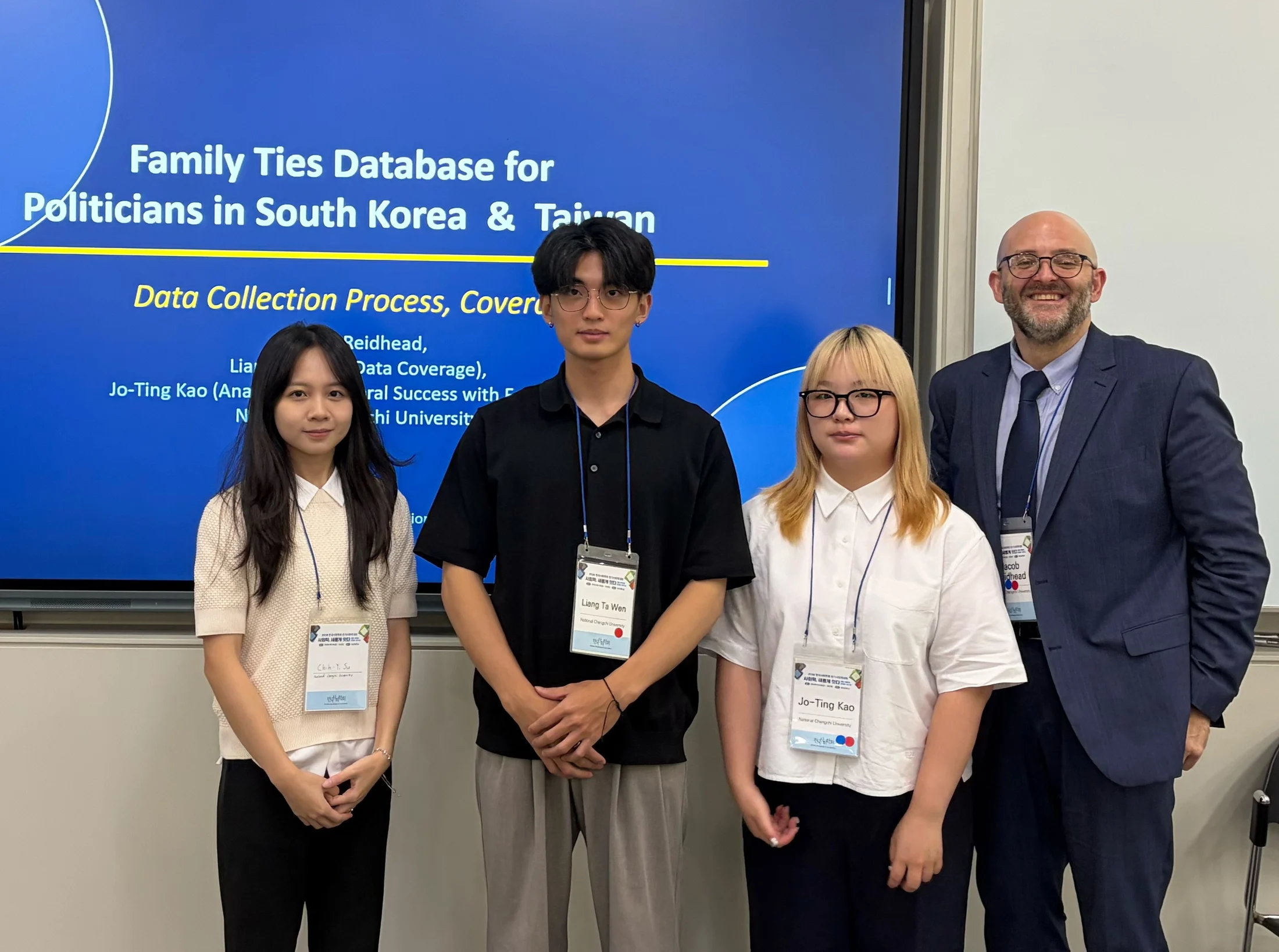
Evelyn, Brian, and Emily present the lab’s comparative research on political careers, family ties, and electoral success in South Korea and Taiwan.
Political Family Ties and Elite Reproduction
A belated post from our lab’s summer panel, “Political Family Ties and Elite Reproduction,” at the 2026 Korean Sociological Association Conference, held June 19–20 at Pusan National University in Busan.
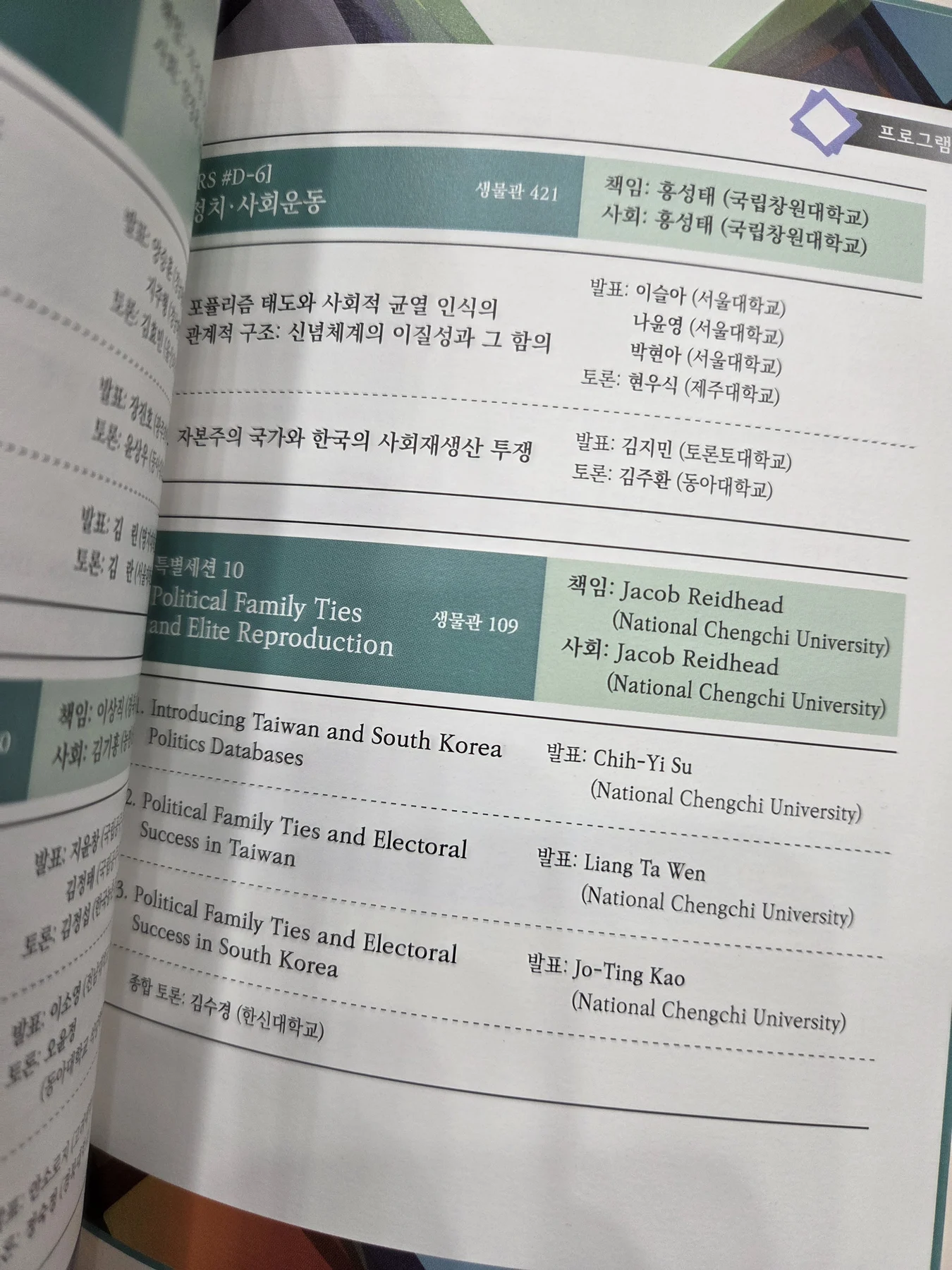
Undergraduate researchers take the lead
One of the best parts of the conference was seeing three of our undergraduate researchers take the lead in presenting work they have helped build over the past several years. I was extremely proud of how well Evelyn, Brian, and Emily represented the lab, not only in preparing the research, data, and presentations, but in explaining complicated projects clearly to an academic audience.
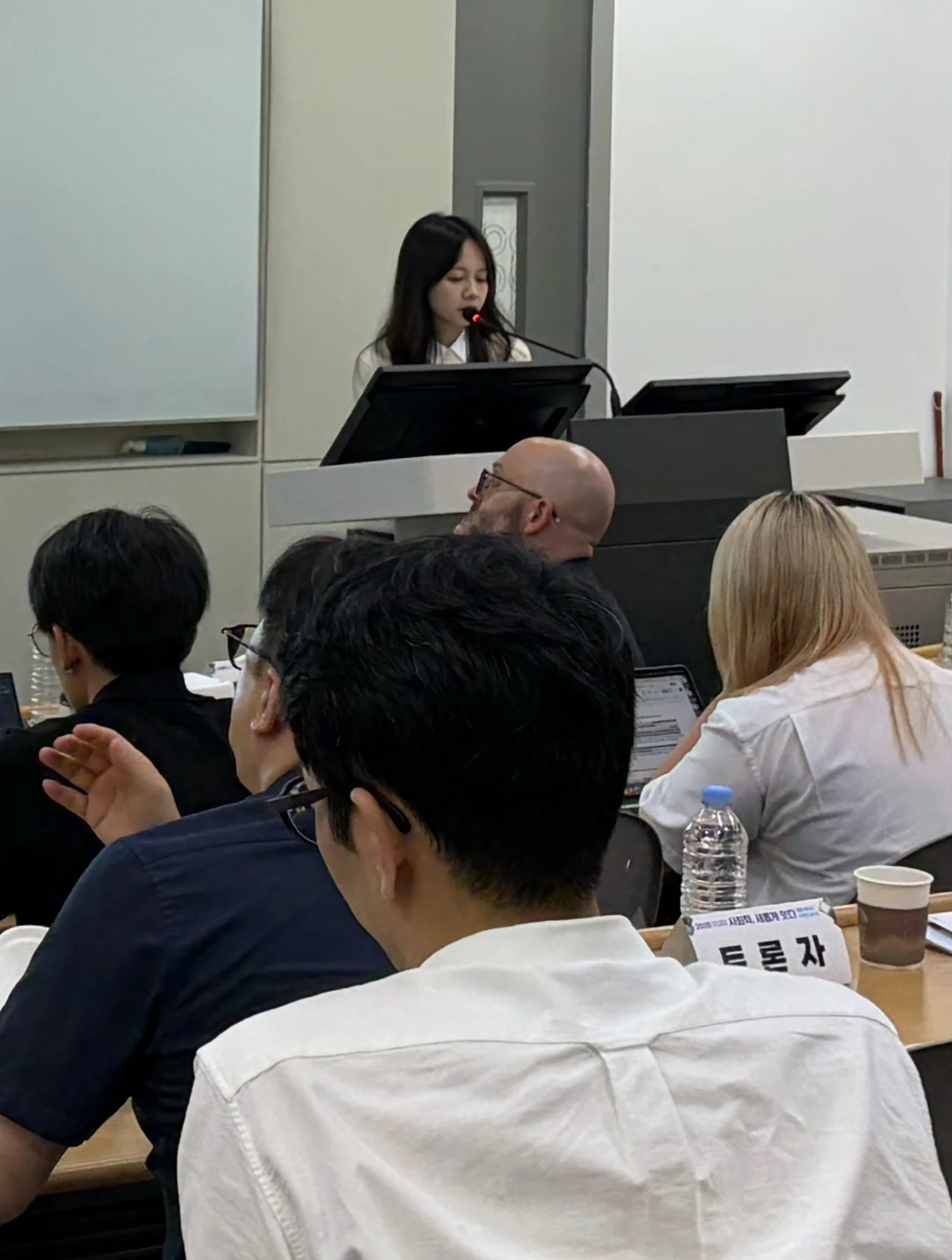
Chih-yi Su (Evelyn) introduced our Taiwan and South Korea Politics Databases and showed how integrated political-career data can be used to reconstruct and cluster political career sequences. Her presentation connected the less visible work of database construction, linking elections, offices, party leadership, legislative leadership, profiles, and relationships, to substantive questions about political careers and organizational structure.
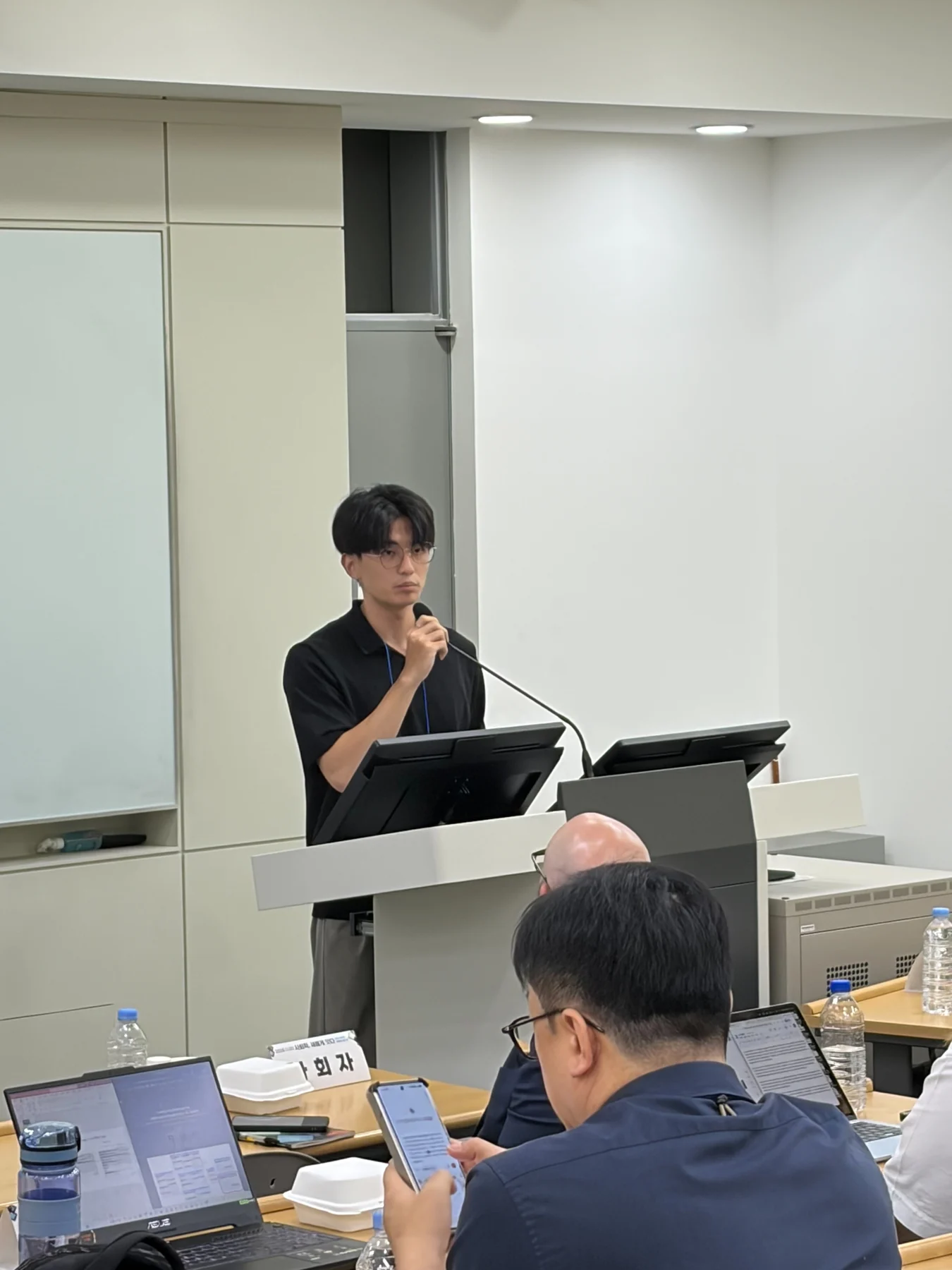
Liang Ta Wen (Brian) presented our work building comparative data on political family ties in South Korea and Taiwan. He walked through the data-collection pipeline, including the difficult work of linking official candidate records with biographical and family-relation data, verifying ambiguous matches, and thinking carefully about coverage and measurement bias.
Jo-ting Ting (Emily) then presented our analysis of the electoral effects of political family ties in South Korea and Taiwan. She showed how family ties are associated with electoral success and explored an important comparative difference: their effects appear especially strong in national legislative politics in South Korea, while in Taiwan they are more pronounced in regional legislative and executive politics.
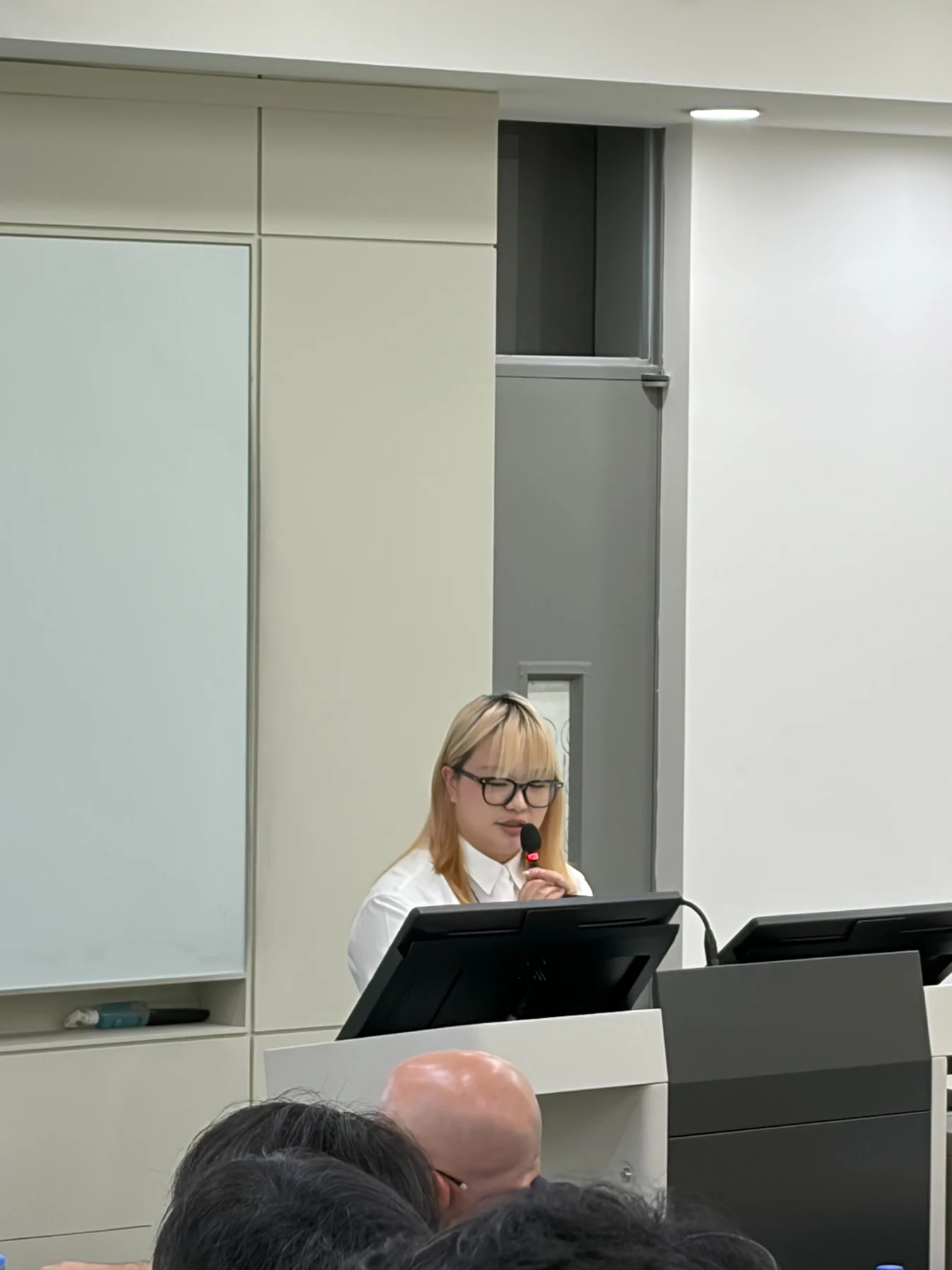
From data collection to the conference stage
These were not easy topics to present. Each project combines large-scale data collection, substantial hand verification, comparative political research, and statistical analysis. All three did a fantastic job making that work understandable and handling the transition from research assistant to conference presenter. It was especially rewarding to see research that began with the painstaking work of collecting, cleaning, matching, and validating data make its way onto a conference stage.
Follow our lab’s work on political family ties at orgpowerlab.org.
Great work, Evelyn, Brian, and Emily. I’m so proud of what you accomplished in Busan and looking forward to the next iteration of our projects next summer in the XXI World Congress of Sociology | International Sociological Association (ISA) in Gwangju!