
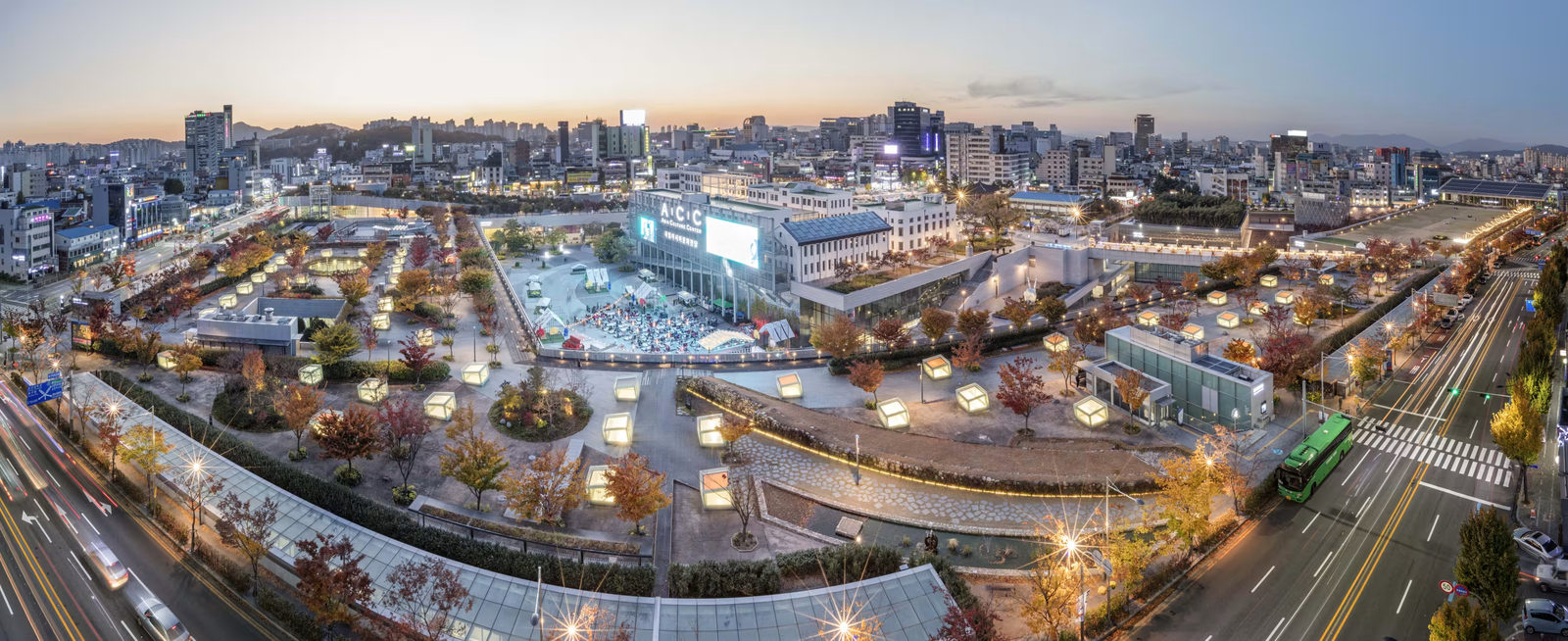
The Organization of Power Lab is hosting two invited RC18 Political Sociology sessions at the XXI ISA World Congress of Sociology (Gwangju, July 4–10, 2027): one on elite management in North Korea, one on political families in South Korea and Taiwan. We are inviting presenters and discussants.
The Organization of Power Lab will host two invited sessions in the RC18 Political Sociology programme at the XXI ISA World Congress of Sociology, held in Gwangju, Korea, under the theme Global Sociology in Turbulent Times. Both sessions draw on new datasets built by the lab and our collaborators. We're inviting scholars to join as presenters or discussants.
📅 July 4–10, 2027 (session dates to be scheduled by ISA)
📍 Chonnam National University, Gwangju, Korea
🎙️ Oral sessions in English · Organized and chaired by Jacob Reidhead (National Chengchi University)
⏳ Please get in touch by October 31, 2026
Session 1: Power, Networks, and Elite Management in North Korea
This session looks at how power is organized, monitored, and redistributed between central and regional institutions in North Korea, using new biographical and institutional data.
- Central oversight and regional enterprises. By linking more than 2,000 North Korean officials (KINU) with 4,000 enterprises (KIET), the first paper asks whether rotating central officials into regional posts increases enterprise turnover and the production of in-demand household goods.
- Technocrats and the pandemic economy. The second paper measures how promotions shifted between political officers and technocrats before, during, and after COVID-19, and whether the shift produced more practical governance agendas.
- From Kim Jong Il to Kim Jong Un. The third paper tests institutional and personalist explanations of the succession and compares it with generational regime succession in Russia, China, and post-Soviet Kazakhstan.
Panelists come from Taiwan and Kazakhstan. We especially welcome North Korea scholars based in Korea as presenters or discussants.
Session 2: Political Family Ties, Elite Reproduction, and Regional Power in South Korea and Taiwan
This session examines how political family ties shape representation, elite reproduction, and regional power in two East Asian democracies. It draws on two newly integrated datasets: about 100,000 South Korean and 70,000 Taiwanese electoral candidates, and roughly 1,000 political family ties in South Korea and 900 in Taiwan.
- Gender and inherited advantage. Has the growth of women's representation been accompanied, or even helped, by political family ties?
- The legacy of KMT local factions. Are Taiwan's political families today still connected to the old Kuomintang factional networks, or are they a new generation of lineages?
- Paths to regional power. Leading regional offices tend to go to nationally established politicians in South Korea (provincial governors) but to locally rooted politicians in Taiwan (county magistrates and mayors).
All three panelists are based in Taiwan. We especially welcome political sociologists working on Korea, and scholars of political dynasties, elite reproduction, or gender and representation.
How to join
These are invited sessions, so please contact us directly instead of submitting through the ISA Call for Abstracts. Email [email protected] or message Jacob Reidhead on LinkedIn with:
- your name and affiliation;
- which session you're interested in;
- your preferred role (presenter or discussant); and
- a tentative paper title, if you'd like to present.
Key dates
| Date | Milestone |
|---|---|
| October 31, 2026 | Please get in touch by this date |
| October 15 – November 10, 2026 | New presenters and discussants added to the official ISA programme |
| March 31 – April 21, 2027 | Limited ISA adjustment window (new participants must already be registered) |
| July 4–10, 2027 | XXI ISA World Congress of Sociology, Gwangju |
All presenters and discussants will need to register for the Congress by ISA's presenter registration deadline. More details will follow once the programme is scheduled.
Learn more: XXI ISA World Congress of Sociology